
Updated
You can use “feminine energy” as spiritual language for qualities you want to explore, such as creativity, receptiveness or care. In this guide, it is a symbolic idea rather than a measurable frequency, a medical explanation or a rule about how any gender must behave.
Give the phrase a meaning you can use
Start by naming what you mean. Are you making room for creativity, listening more carefully to your preferences, practising a devotional tradition or allowing yourself to receive help? These aims lead to different choices. You do not have to combine them into one supposed energy state.
Care, assertiveness, reasoning and imagination are available to people of any gender. Being emotional does not make you more feminine, and enjoying structure does not make you less so. You can also use plain words such as “creativity” or “rest” if the energy label does not fit you.
The Royal College of Psychiatrists describes spirituality as personal, whether expressed privately or through a faith community. If you draw from a particular goddess tradition or religious practice, learn its specific context rather than treating different traditions as interchangeable.
Listen to a feeling without making it a verdict
A feeling can tell you that something deserves attention. It does not automatically establish the cause or tell you what another person intends. You might notice discomfort and then ask what happened, what you need and what information is missing.
An invented example: You feel reluctant to accept an invitation. Instead of deciding that the host has negative energy, you check your circumstances. You may be tired, worried about the cost or simply need a quieter evening. You can decline without inventing a story about the host.
Intuition and reasoning can be used together: notice an impression, consider alternatives and check relevant facts. A spiritual interpretation does not require you to disregard evidence or make a major decision immediately.
Create a simple, optional reflection ritual
A ritual can give an ordinary activity personal meaning. It does not need special equipment or a promise of transformation. This original four-part exercise is an invitation to reflect, not a treatment or a test of your femininity.
- 1. Choose one intention
- Pick something concrete, such as making room for a creative activity or accepting an offer of practical help.
- 2. Set a comfortable space
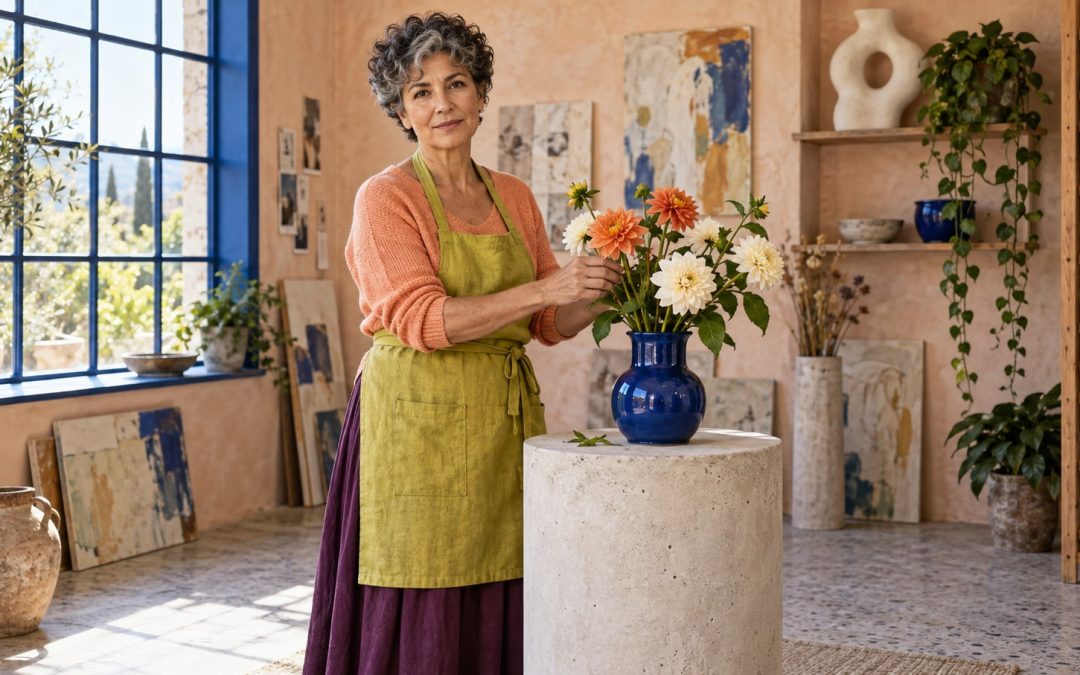
- Use an ordinary seat or clear surface. A meaningful object, a flower or a photograph is optional. Flame, incense and scent are not required.
- 3. Notice and name
- Take a brief pause and ask what you feel, what you need and what you can realistically choose. Leave uncertain answers open.
- 4. Return to an ordinary action
- Arrange the flowers, begin a small drawing, ask for help with a task or schedule time to rest. End the exercise when you choose.
Our home-reset and optional cleansing guide offers practical ways to care for a space. The purpose here is to support attention and choice, not to certify that a room has acquired a particular energy.
Keep meditation and movement within your comfort
You can reflect with your eyes open, sitting normally, without altering your breathing. Creative work, quiet reading or a conversation can also fit your intention. You do not need to force stillness or chase an intense sensation.
If meditation interests you, the meditation comparison guide explains several approaches and their limits. Stop a practice that makes you feel unwell and seek appropriate advice. More intensity is not a measure of greater spiritual value.
Physical symptoms need a separate explanation
Lightheadedness or a racing heartbeat should not be labelled normal “increased energy.” The NHS explains that dizziness and palpitations can have different causes. Seek medical advice if they recur, persist or concern you.
Get urgent medical help for palpitations that do not go away, or palpitations with chest pain, shortness of breath, feeling faint or fainting. Use your local emergency service for an emergency. Do not continue an exercise in order to push through these symptoms.
Trauma is not evidence of blocked femininity
Difficulty expressing feelings does not prove that an energy centre is blocked or that something happened in a past life. A ritual, yoga session or breathing exercise cannot be assumed to make trauma leave the body.
If past experiences or current distress are affecting your daily life, qualified support can help you discuss what you are experiencing. The NIMH mental-health guide describes how personal care and professional help can fit together. Spiritual practice can remain meaningful alongside care without becoming a substitute for it.
Keep the parts of this language that support your values and leave aside the parts that create pressure. You do not need to become more feminine, fulfil a hidden contract or ignore your needs to deserve care, creativity and respect.