
Updated
Seeing a praying mantis can be a memorable nature encounter and a personal reminder to pause. It does not, by itself, establish that good luck is coming, an ancestor is visiting or you have a psychic ability. You can enjoy the symbolism while learning what the insect is actually doing.
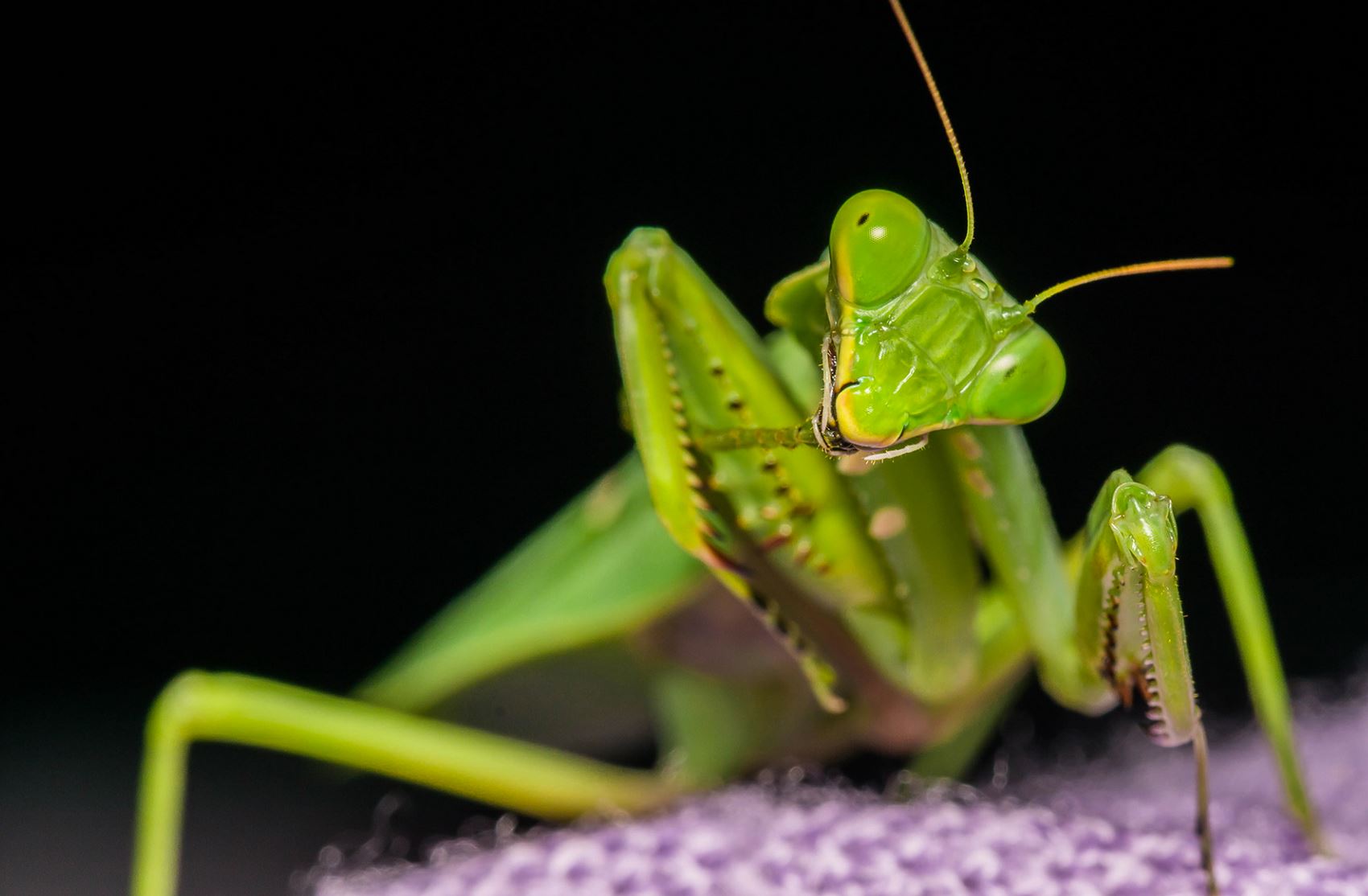
A mantis is an animal: specifically, an insect. Its folded front legs and watchful appearance make it distinctive, but interpreting those features as prayer or spiritual wisdom is a human response to its posture.
What you are seeing: a few useful facts
The Missouri Department of Conservation’s mantis field guide describes an elongated insect with a triangular head, prominent eyes and spiny front legs adapted for catching prey. Those legs are often folded when not in use, producing the familiar prayer-like appearance.
Stillness is part of its hunting behaviour. A mantis can wait for prey and then strike rapidly; it is not accurate to say that it only moves when success is certain. Its behaviour is more complicated than a lesson in always waiting.
Size and appearance vary by species. The Missouri guide gives adult lengths of about two to more than four inches for the mantises it covers. That is a regional reference, not a size range for every mantis worldwide. A local field guide can help with a particular sighting.
Why a mantis may be near your home
Plants offer places to wait and opportunities to find prey. University of Maryland Extension explains that mantises may wait on flowers and shrubs, while some fly to lights after dark. A sighting near a porch or garden can therefore have an ordinary ecological explanation.
Mantises are generalist predators, meaning they catch a range of prey. They may eat insects gardeners consider pests as well as beneficial insects. Their presence is not a promise that a garden’s pest problems will disappear.
What can a sighting mean to you personally?
You might associate the mantis with patience, attention or taking a quieter moment. Those can be useful themes if you choose them. They do not have to become instructions to postpone a decision, distrust a neighbour or search for a hidden threat.
For example, noticing a mantis during a busy afternoon might prompt you to put down your phone and look closely at the garden for a minute. The helpful action comes from your choice; you do not need to prove that the insect arrived with a message.
Our guide to grounding through everyday attention offers other optional ways to notice your surroundings.
Cultural stories need a specific context
A mantis does not have one meaning shared by every culture. Roger Hewitt’s Structure, Meaning and Ritual in the Narratives of the Southern San, published by Wits University Press, examines /Xam narratives in the Bleek and Lloyd collection, including stories about the trickster /Kaggen, called Mantis.
That is a particular storytelling tradition. It should not be reduced to a rule that any mantis outside any South African home means an ancestor or an enemy is nearby. Naming a community and source is more informative than assigning one belief to an entire country.
The word itself has an interesting history: Merriam-Webster traces “mantis” to a Greek word meaning diviner or prophet. An etymology explains a name; it does not verify a prediction attached to a sighting.
Is a praying mantis good luck—or a sign in a dream?
You may regard a sighting as lucky because you enjoyed an unusual encounter. That personal meaning is different from evidence that a future event will go well. A dream featuring a mantis likewise does not identify a fixed message or establish a supernatural ability.
If the image stays with you, consider what you associated with it: curiosity, stillness, surprise or something else. You are allowed to find no particular meaning. Our guide to folklore, superstitions and factual claims explains how a story can be interesting without functioning as a forecast.
How to enjoy the encounter
- Observe without disturbing it. Give the insect room and avoid forcing it to pose or catching prey for it.
- Record useful details. Note the location, date, approximate size and the plant or surface it was on. A clear photograph can help with identification.
- Use local identification advice. Similar-looking mantises may be different species. Ask a local natural-history group or extension service if you are unsure.
- Keep garden advice local. Maryland Extension recommends leaving garden mantises undisturbed and notes their limited role in pest control. Do not assume that buying and releasing a species is appropriate wherever you live.
Two optional reflection prompts: What did I notice when I slowed down? Is there one small action I would like to choose after this encounter?
Answer them in your own way. The experience can be meaningful without a prescribed ritual, a paid interpretation or a claim that nature has guaranteed an outcome.