
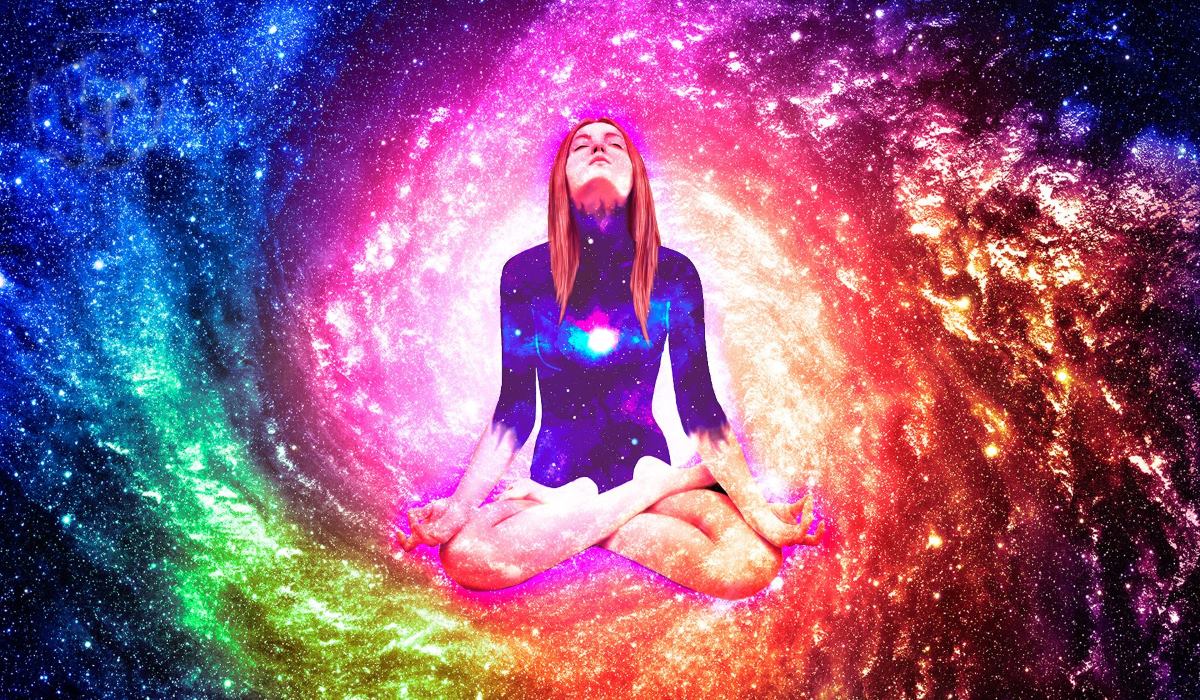
Romance is an intense gift that has the ability to bond people together in unique ways. But why does it seem some individuals enjoy romance more than others? The answer lies in the power of their aura and the way it radiates. There are some people you are just drawn to, as if a magnet is pulling you to them. This attraction goes beyond the physical being to something deeper and inexplicable. It’s not that this person is any more special than another, but that there is a sense of joy, comfort or fulfillment when you are in their presence.
Understanding Auras
Auras are oval-shaped energy fields that surround each living being. They are able to alter size and color depending on multiple factors. They can expand, producing more positive vibrations when the being is healthy at physical, emotional, mental or spiritual levels. Yet, when they are unhealthy the aura will dim, contract and pale in color.
Auras can be near impossible for people to see, unless they have honed their ability to see beyond the physical realm, but instead they will be able to sense it acutely. Recall a time you might have “felt” the difference when drifted between a person who was exuberant and another who was shy. Think about what makes a confident individual more attractive than someone who is anxious.
If you are looking to cultivate more love in your life, knowing how to promote a healthy aura is essential to attracting the attention of potential partners. You can bring more people into your life by working on strengthening and changing the colors of your aura.
Building a Magnetic Aura
Your aura is the way your innermost self is able to manifest. Although you can alter your physical appear with fancy clothes, make-up or changing up your hairstyle, the aura will always display your truest feelings and self.
To better understand what your aura is radiating, practice some visualizations. Picture yourself entering a room and think about what you expect your aura to tell others about you. Notice how people are responding to your presence. What do you see in their reactions and how might you expect them to be feeling? Remember people typically gravitate to individuals with higher vibration auras, so if you see them slow to respond to you then it might be time to work on making your aura more pleasing.
Maintaining the Mind-Body Connection
How you think impacts the physical body and the state of your physical body affects the mind. Ensure you have a strong mind-body connection by making sure you diet is comprised of healthy foods and plenty of water. It is also important to exercise and create time for self-care like a routine meditation practice. Sleep is also critical to your overall wellness, so make sure your bedroom is a place of rest and reduce access to technological devices an hour prior to going to sleep. Make sure to give yourself time to enjoy social activities or hobbies that bring you joy.
Thoughts matter
Your way of thinking can have huge implications on your daily life, as your inner world requires as much energy as your outer world. The Universe hears and responds to your thoughts based on the laws of attraction. You can pay better attention to your thoughts and patterns with an established daily meditation practice. Find a few minutes in each day to relax and center yourself. Release any concerns such as bills, visits, deadlines or anxieties. Then all this space to heal from the stress by allowing more positive and relaxing thoughts to enter instead.
As you increase the health of your mind and body, you should notice an improvement in your aura as well. You will begin to emit more positive energies and create a more vibrant aura. These positive vibrations you radiate will be notices subconsciously and attract other higher vibration individuals into your life.
Mastering a Magnetic Aura
Now that you are ridding yourself of toxic thinking, there are ways to be a more powerful magnet to others by cultivating more intentioned positivity.
Start by considering what types of people you want to include more in your life. Are you someone looking for relationships with academic or adventurous people? Are you looking for friendship, a soulmate or a romance? Make sure to keep these thoughts focused in your mind.
Next, begin to visualize in ample details about what you are trying to manifest. If you are looking for a friend, do care more about finding an activity partner or a new best friend? By picturing it in your mind you are giving immense power and clarity to your desires. You can then begin to believe it, claim it and speak it into being. Be aware, there is a distinct difference between wanting, wishing and believing in thoughts. When you want, you will be trapped in an endless cycle of needing and seeking. When you wish, you mind still doubts the ownership of your intentions, instead seeing something as far off and possible unattainable. By believing and claiming an intention, you eliminate any hurdles from you achieving this goal and thus allow the universe to help search for it and then manifest it into your life!
You Life Will Change for the Better!
Time can fluctuate as to when results can appear from magnetizing your aura. But be confident that a magnetized aura is allowing yourself to be more receptive to beneficial opportunities. This shift in behavior is allowing for your spirit to evolve and promote new spiritual awareness in your life. You can expect to meet many new exciting and positive people in your life and creative more optimism and healing in your communities.





The concept of auras as energy fields is intriguing and merits further exploration within scientific frameworks. It presents a unique intersection of metaphysics and psychology, potentially offering insights into human interactions and relationships.
‘Manifesting intentions’ resonates with many philosophical doctrines regarding the power of belief. A closer look at historical perspectives on manifestation could enrich our understanding of contemporary practices surrounding this idea.
‘Visualizations’ as tools for personal growth present an interesting area for psychological research. The effects of guided imagery on one’s aura or overall life satisfaction merit systematic investigation to validate these claims.
While the discussion on romantic attraction through auras is compelling, it raises questions about the empirical validation of such phenomena. The subjective nature of aura perception complicates any objective understanding or measurement.
This article invites reflection on how internal states manifest outwardly. The interplay between mind and body, particularly in terms of how we project ourselves to others, is crucial for personal development and social dynamics.
The correlation drawn between mental well-being and aura health is noteworthy. It emphasizes the importance of holistic approaches to self-care, as well as the significant impact our thoughts can have on our physical presence.
‘Higher vibration auras’ seem to suggest a form of emotional or spiritual hierarchy among individuals. Investigating how this perceived hierarchy affects interpersonal relationships could yield valuable sociological insights.
‘Magnetizing one’s aura’ appears to suggest an almost alchemical transformation in personal relationships. It would be beneficial to examine if such transformations can be quantitatively assessed in social psychology studies.