
Updated
Energy cord cutting is a spiritual way of describing an intention to change your attachment to a person or relationship. You can use the image of releasing a cord as a personal symbol. It does not establish that an invisible connection is draining you, or that a ritual can control another person’s feelings.
A useful starting point is to name what you want to change in daily life: the attention you give a memory, the contact you accept or the responsibilities you still share.
What does an energy cord represent?
In the spiritual language used here, a cord represents an attachment. You might connect that image with affection, regret, expectations or a relationship that has ended. Different people give the symbol different meanings; there is no need to assign a colour or thickness to prove how strong a bond is.
The meaning you give an image is separate from evidence about what another person is doing. Remembering an ex does not, by itself, show that they are sending energy, accessing your thoughts or preventing a new relationship.
You also do not need to label a painful connection as a karmic debt. Our guide to karma beliefs and present choices explains why a spiritual interpretation should not become blame for suffering.
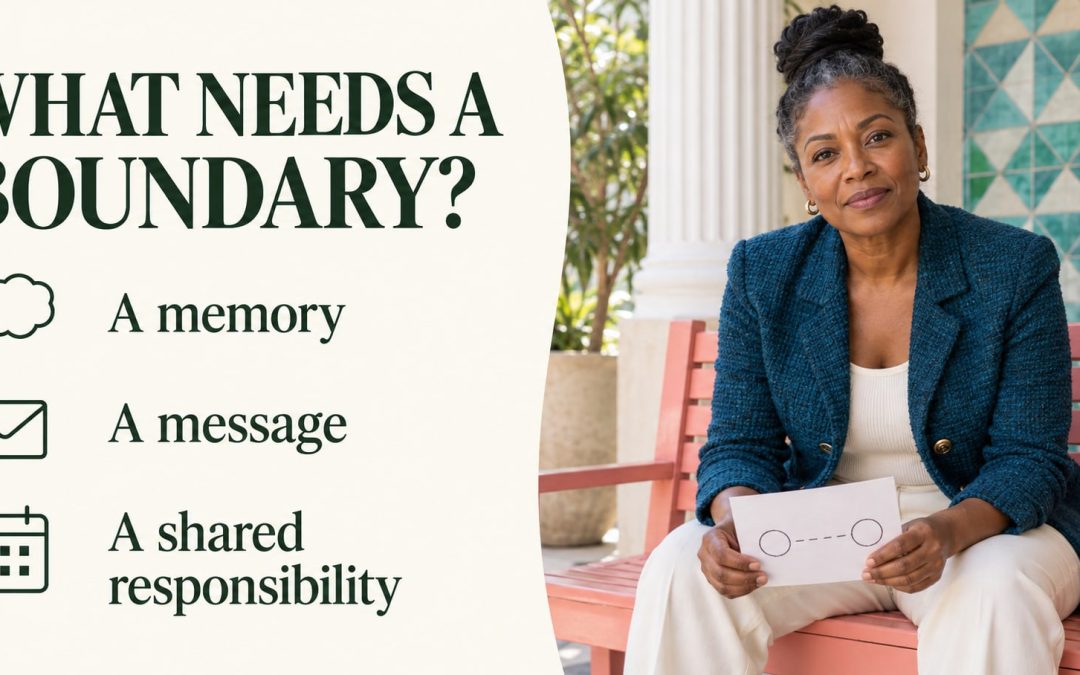
Separate a memory, a message and a shared responsibility
These three situations call for different choices. The distinction below is an original planning aid, not a test of spiritual attachment.
You might want less personal contact while keeping a clear route for necessary arrangements. You might also choose to stay in a relationship and change a particular pattern. Cord cutting does not have to mean an all-or-nothing decision about a person.
An optional paper exercise
If the symbol feels useful, try this brief exercise with a sheet of paper and a pen. It is a way to describe your intention, with no special materials or purchased service required.
- Name the pattern. Write one specific sentence, such as “I keep checking an old conversation when I meant to spend time on something else.”
- Draw the symbol. Draw two circles joined by a line. Let one circle stand for you and the other for the pattern. You do not need to picture an actual cord inside your body.
- Change the drawing. Put a gap in the line with your pen, or redraw the circles separately. Write the choice you want to practise beside your circle.
- Choose an ordinary action. For example, close the conversation for the evening and return to a book you wanted to read. Keep the action within your control.
You can skip the drawing and write the action alone. Stop if the exercise feels upsetting. There is no need to repeat it until you feel a particular sensation.
Put the boundary into words
A statement such as “I can discuss the collection time by email; I am not available for a personal conversation tonight” identifies a topic, channel and limit. Adapt the wording to your situation rather than treating it as a script you must send.
For more examples, see three skills for healthier boundaries. Consider what is appropriate and safe before announcing a change; a private decision does not always need a confrontation.
If the feeling returns
Imagine hearing a song a week after the exercise and remembering your former partner. This invented example does not show that a cord has grown back or that you failed. You can remember someone and still keep the boundary you chose.
Review the practical question: did you follow the action you intended, and does it still fit your circumstances? You do not have to erase every feeling to make a different choice.
Make room for ordinary support
The NHS guide to relationships and mental wellbeing suggests setting limits on what you can offer, making time for your interests and talking to someone you trust outside the relationship. It also points to support for practical separation issues and abuse.
If the situation involves intimidation, coercion or threats, focus on practical safety and support. Our guide to trauma bonds and support explains that context. A cord-cutting ritual should not be the condition you must meet before seeking help or moving forward.